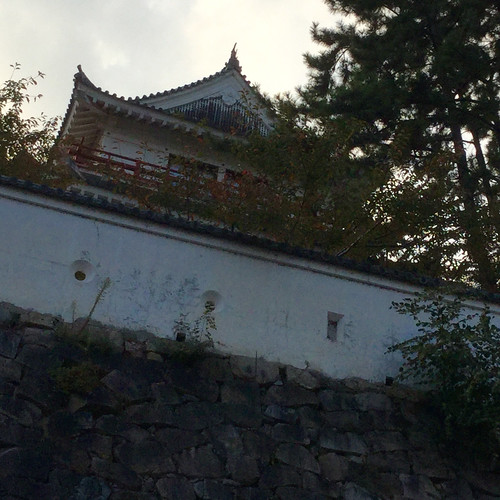
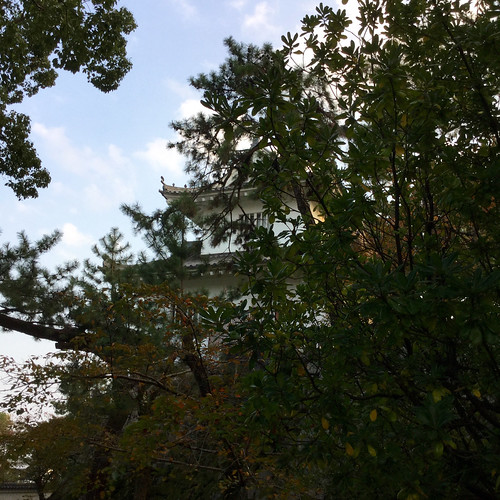
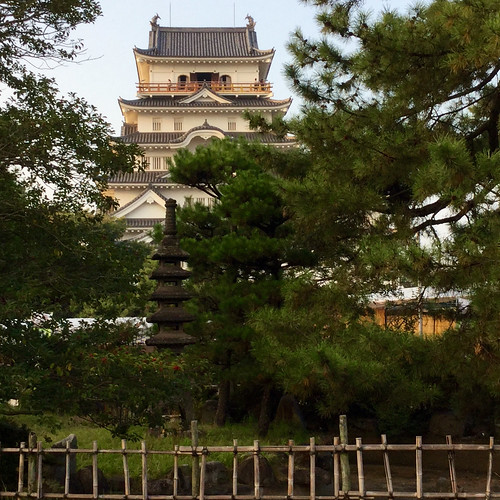
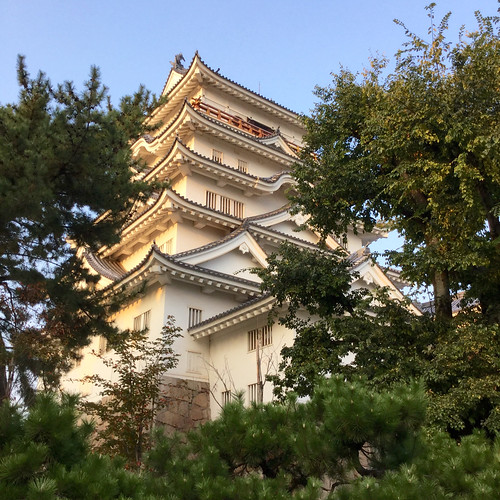
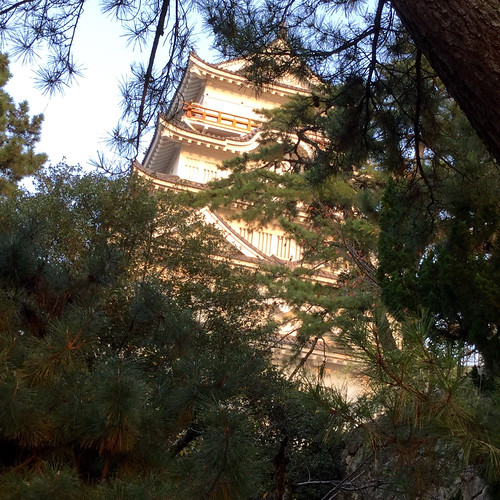
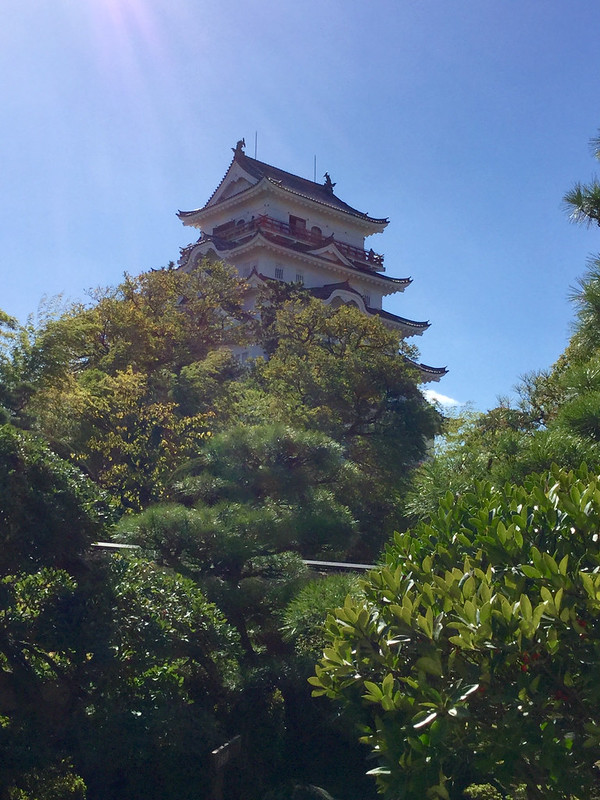
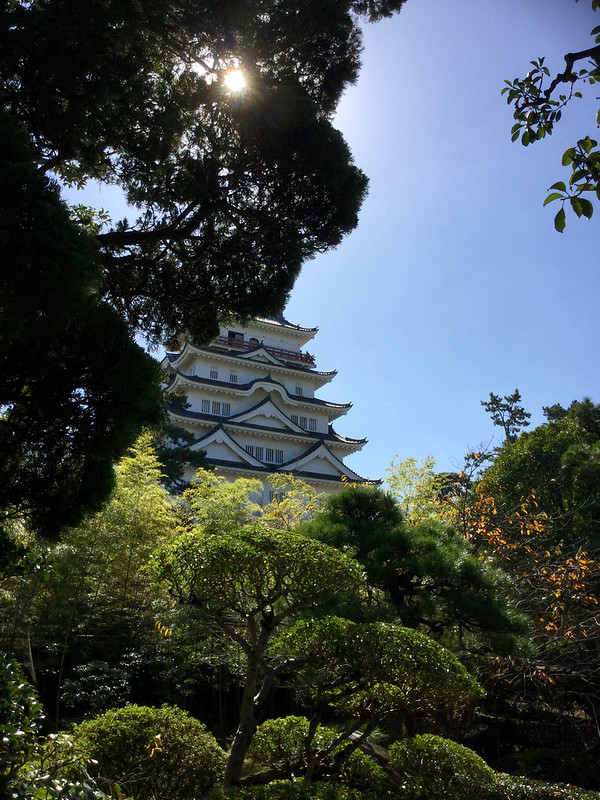
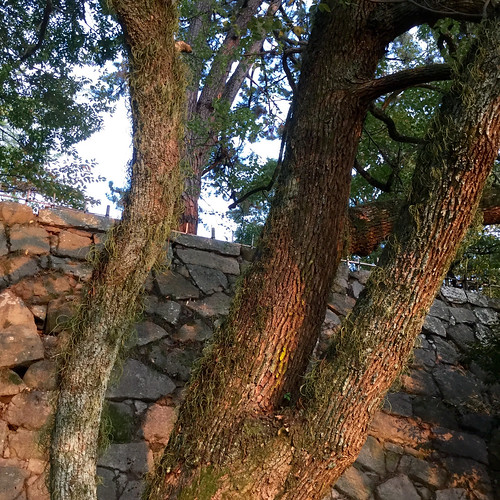
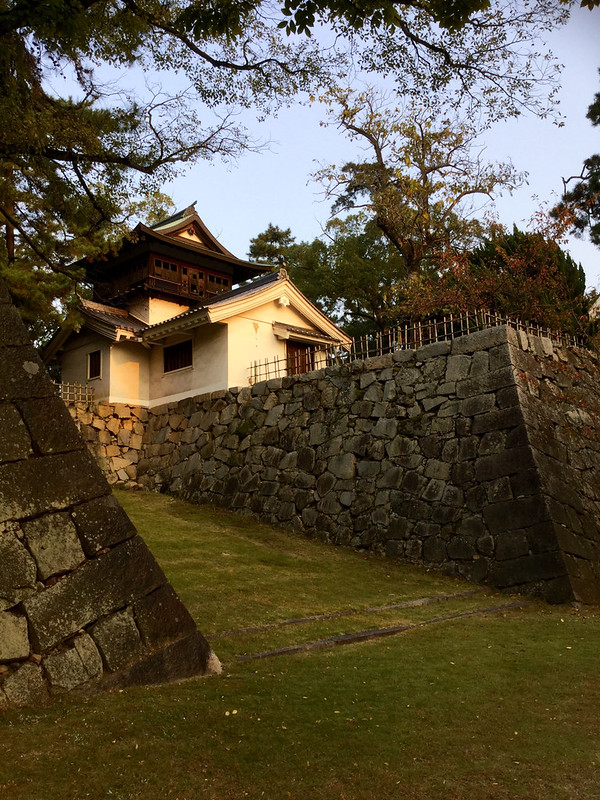
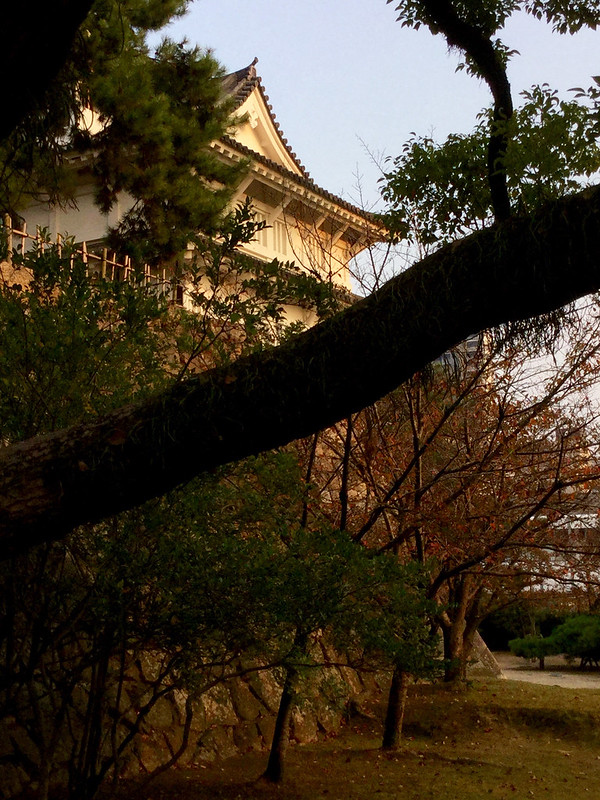
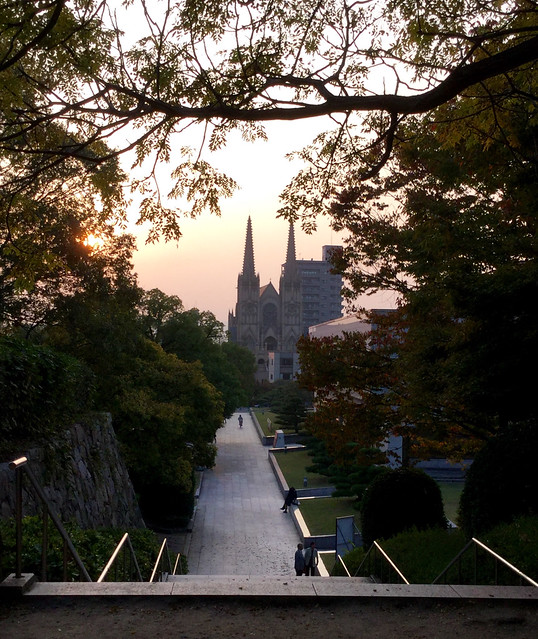
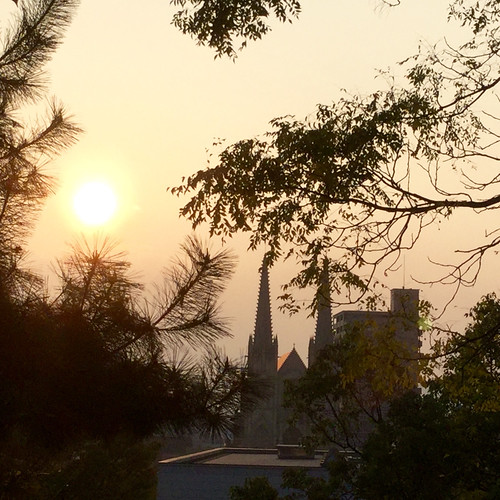
Fukuyama ist mir auf meiner letzten Reise im Winter aufgefallen. Vom Fenster des Shinkansen. Neben dem Bahnhof gibt es eine wunderschöne Burg und etwas später sieht man eine Kirche in neugotischen Stil. Da dachte ich mir, das muss ich mal genauer anschauen. Also, auf nach Fukuyama. Mein Hotel ist gleich am Bahnhof, Koffer fallen lassen, Fotoapparat einpacken und los geht's.
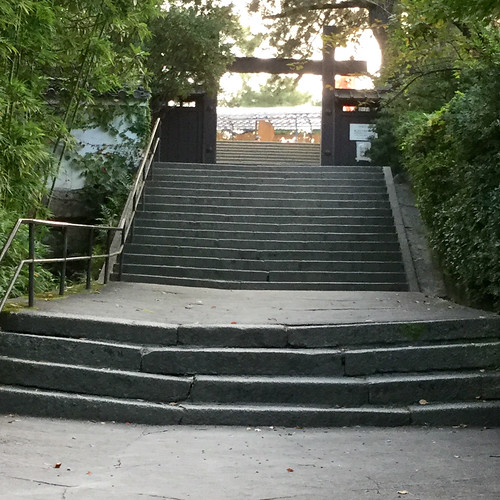
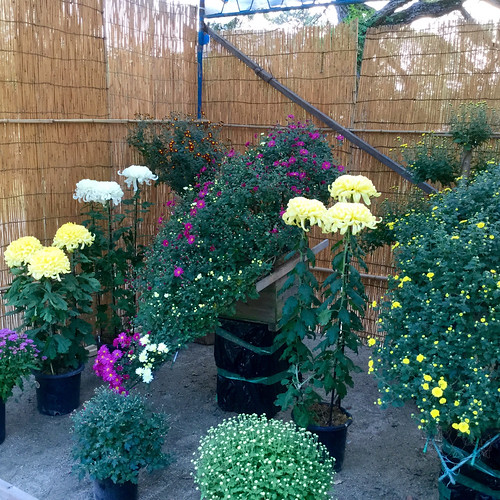
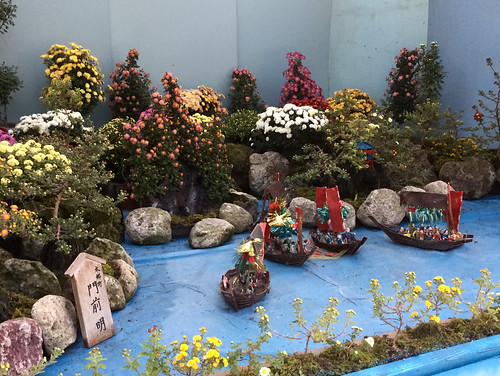
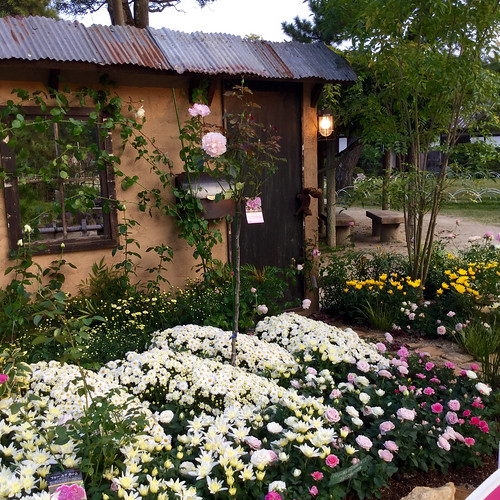
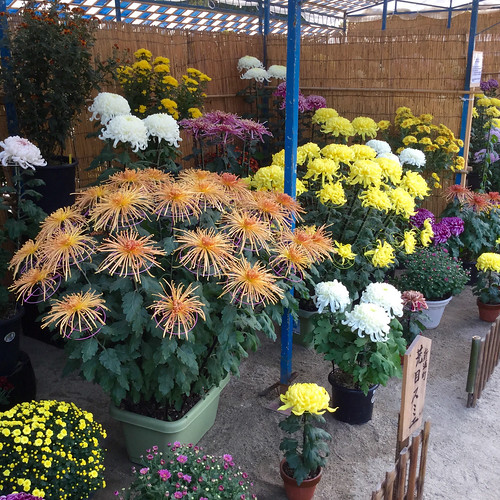
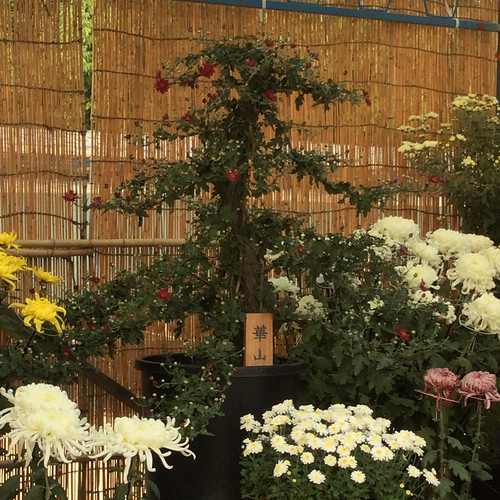
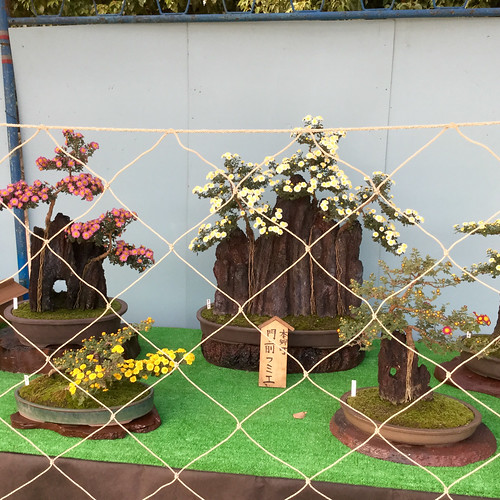
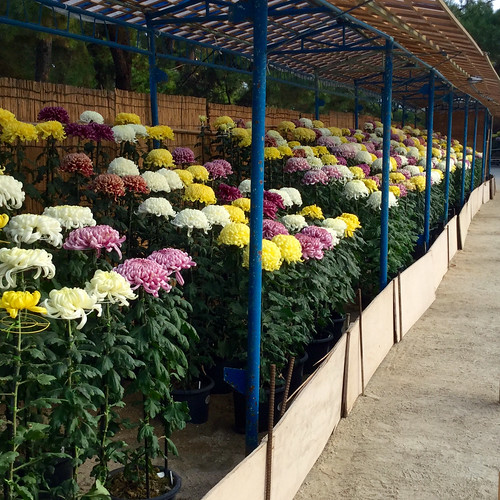
Ein kurzer Aufstieg und schon stehe ich auf dem Plateau, auf dem sich die Burg erhebt, und gerate mitten in eine Chrysanthemen-Schau. Moment, ich schaue nochmal eben auf das Faltblatt von der Touristeninformation. Ja, das steht es: Fukuyama - die Stadt der Rosen. Na gut, die Chrysanthemen sind aber fantastisch, in Form und Farbe und vor allem in den verschiedenen Größen, von Bonsai bis riesig.
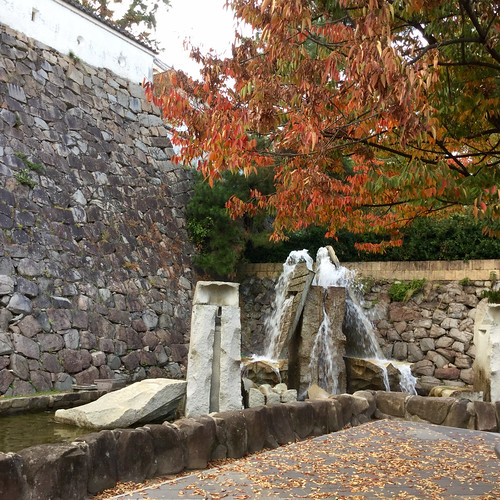
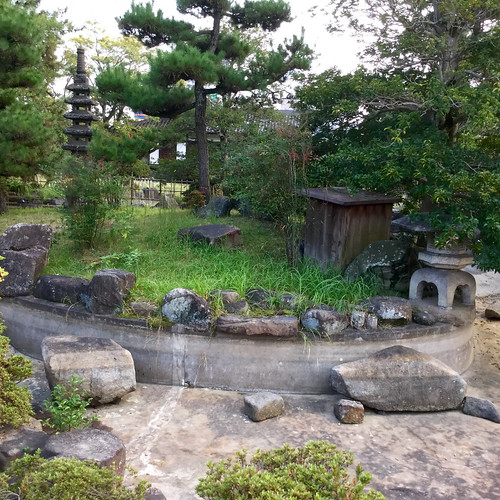
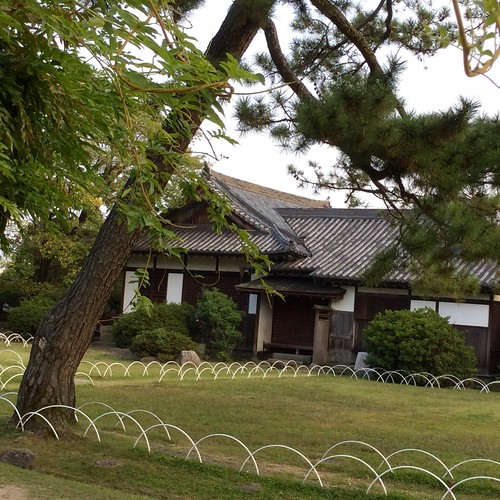
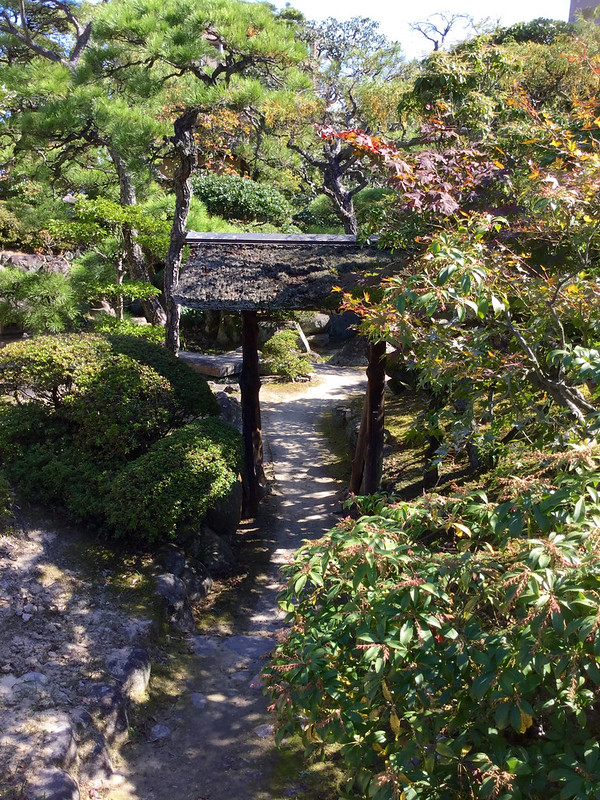
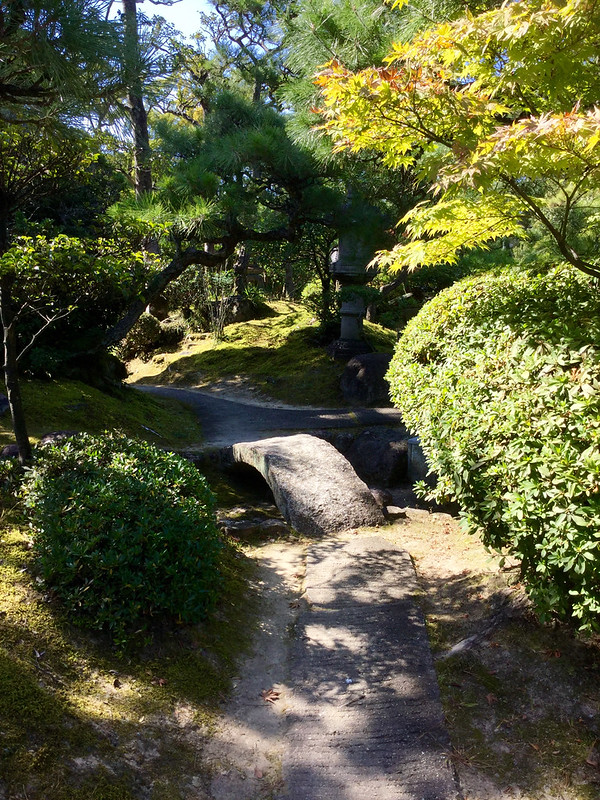
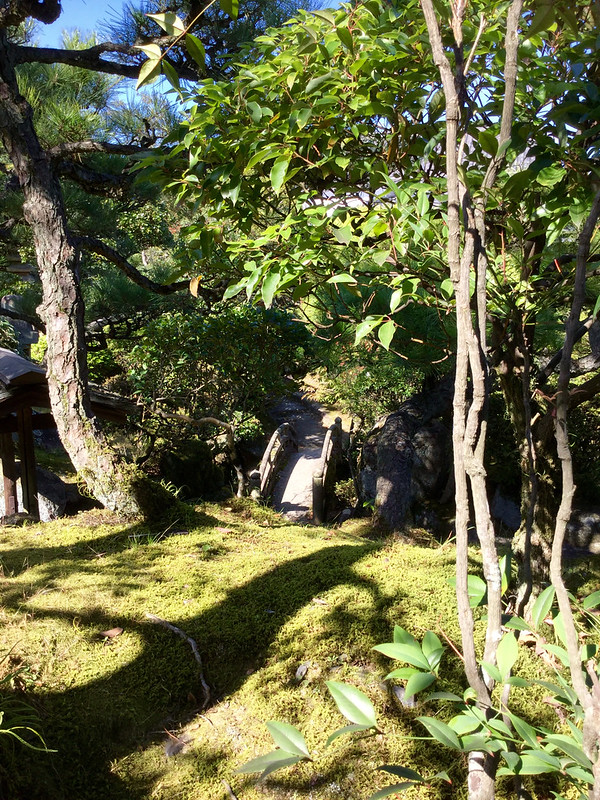
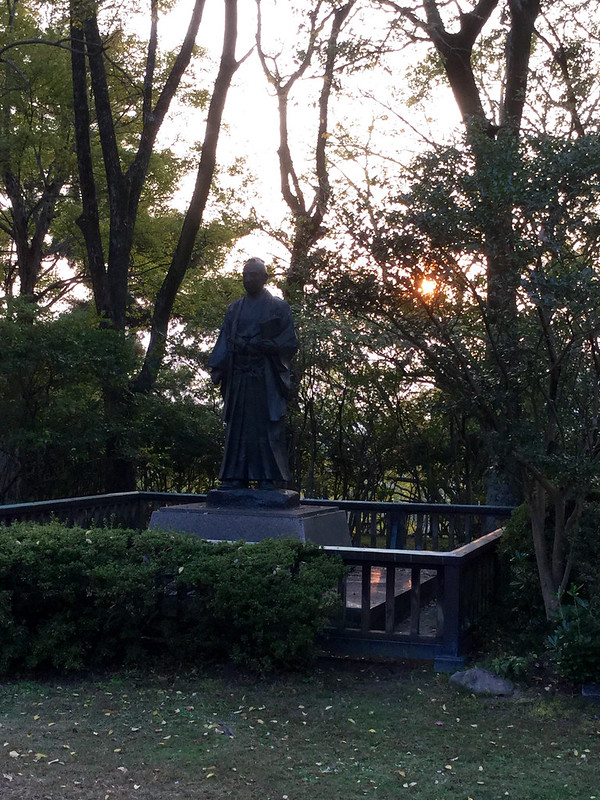
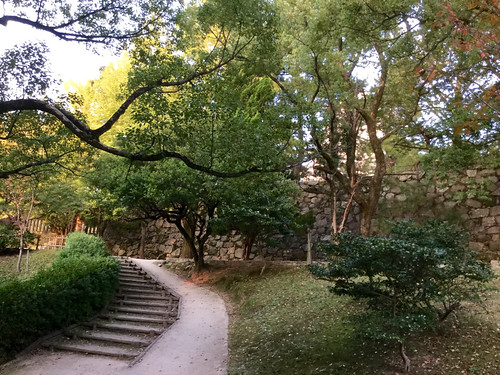
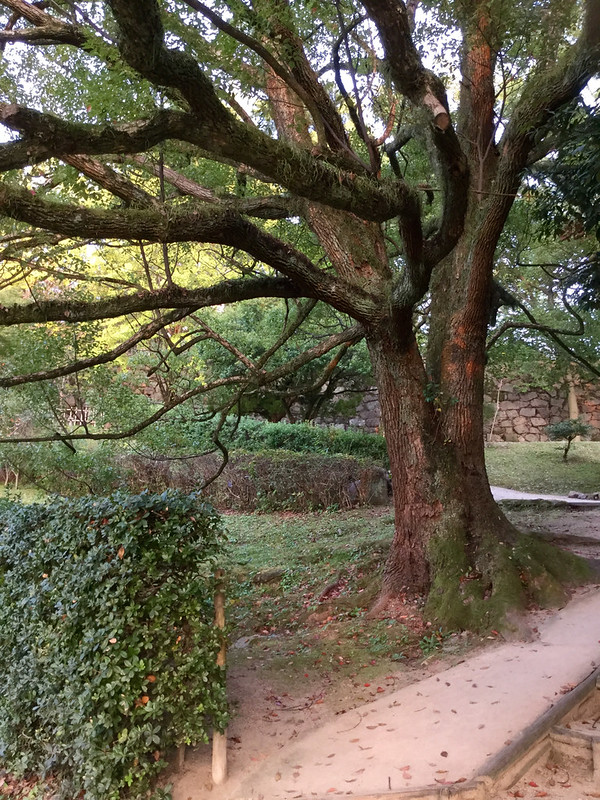
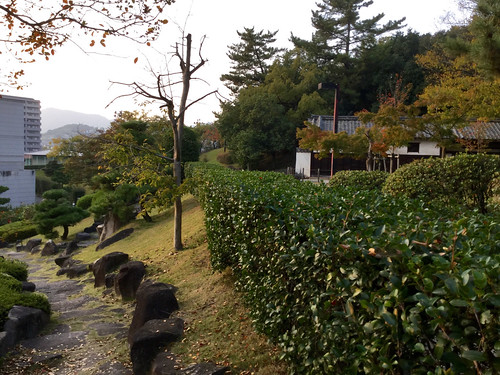
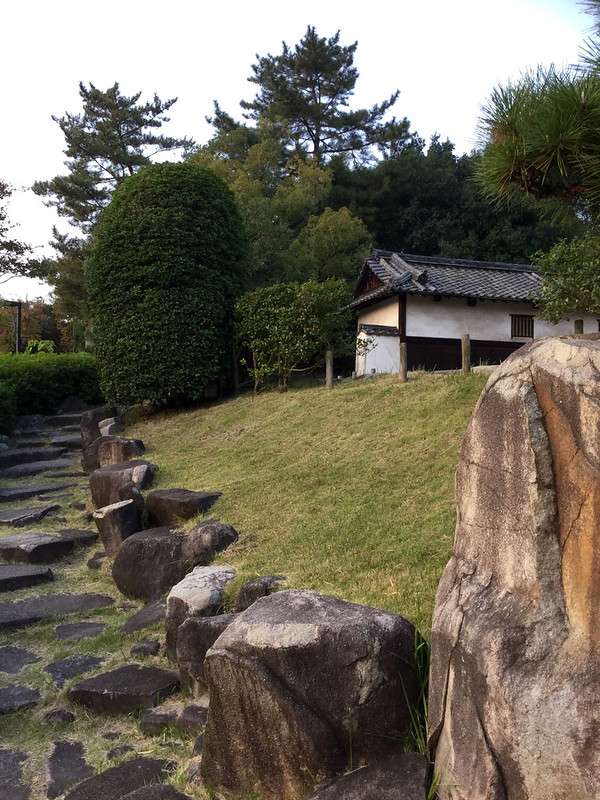
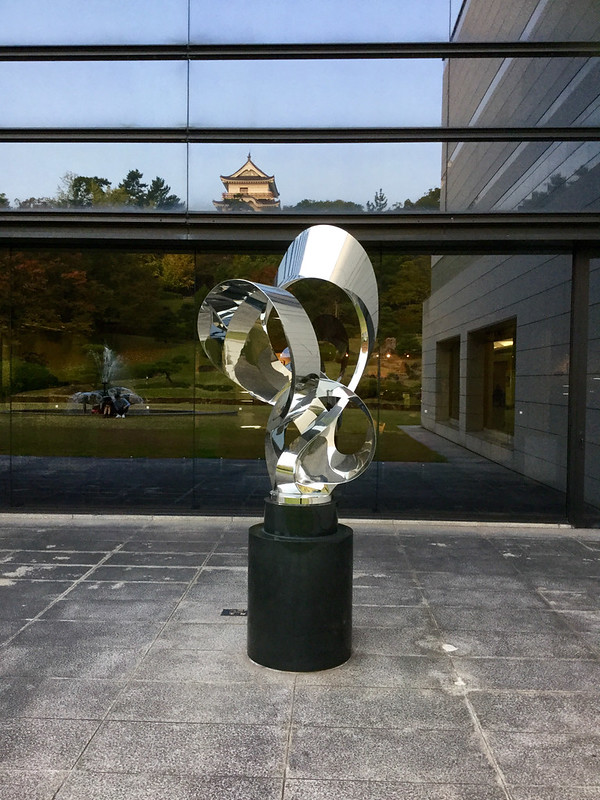
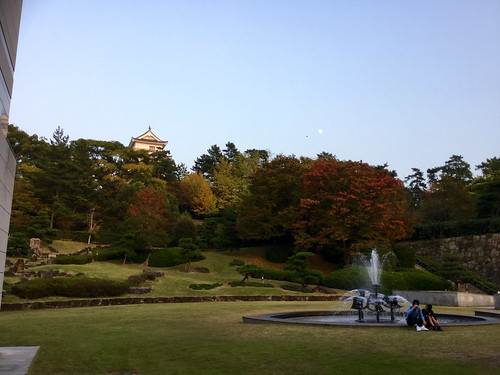
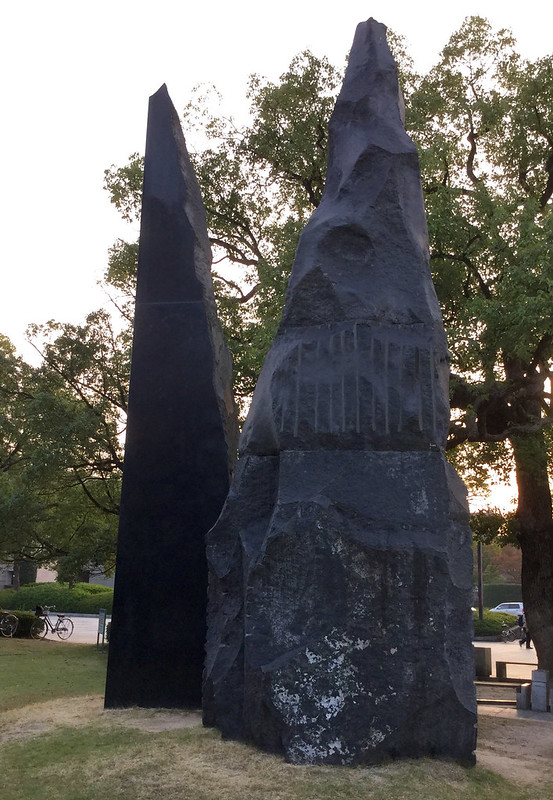
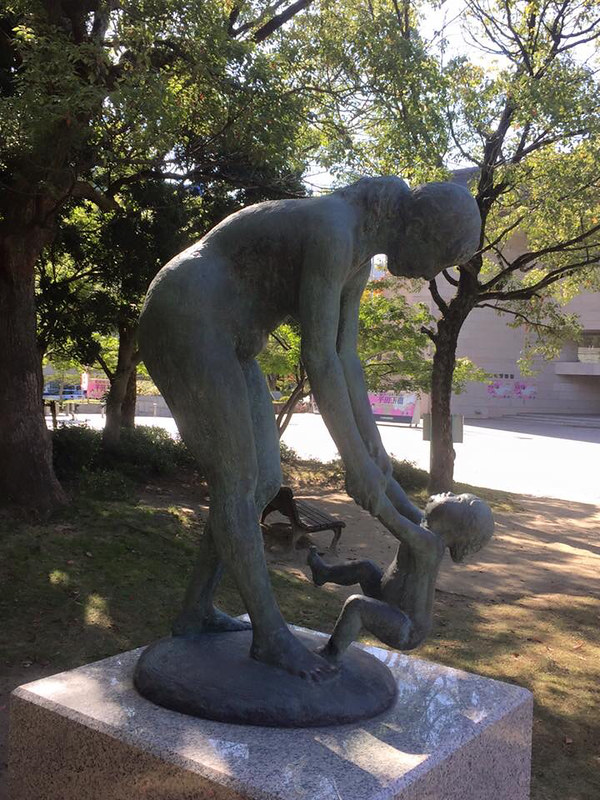
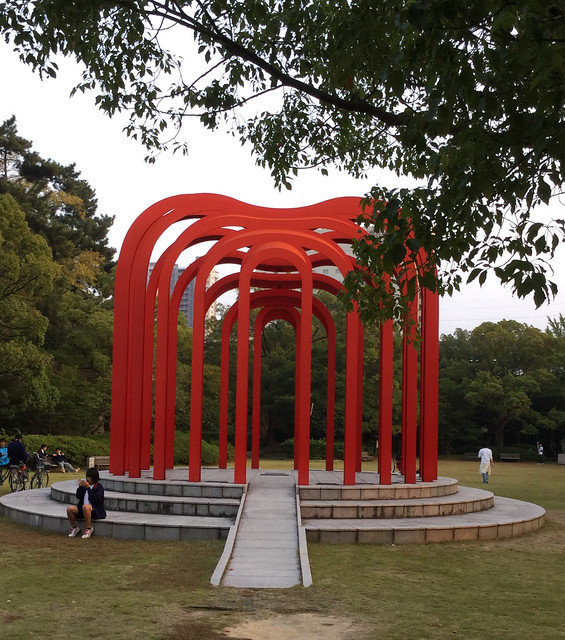
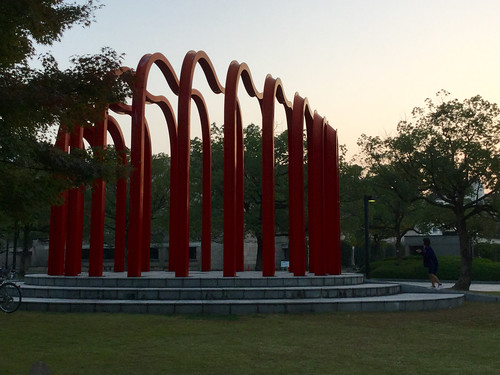
Um die Burg herum gibt es den obligatorischen japanischen Garten und zu Fuß des Burggeländes einen Park mit Wegen, die von Findlingen begrenzt werden, Skulpturen und viel Platz zum Boltzen und Baseball spielen üben.
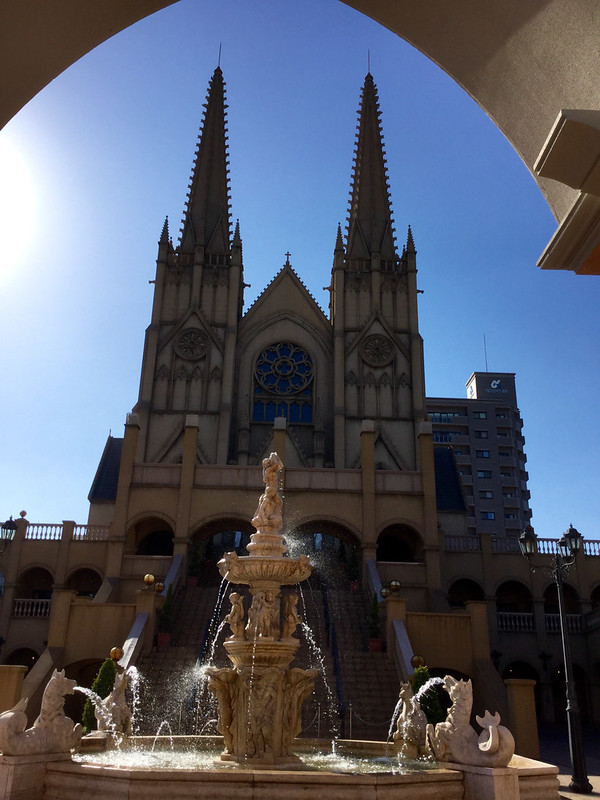
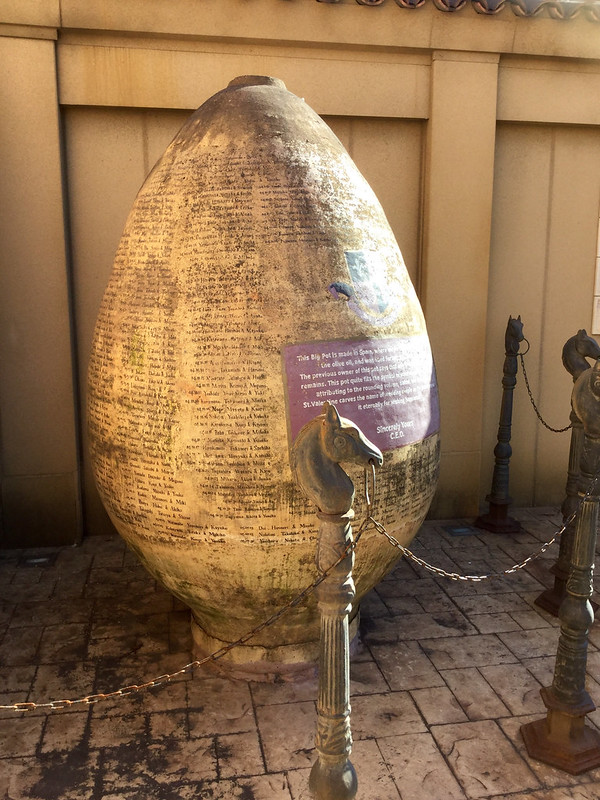
Die Kirche ist gar keine, heißt St. Valentins irgendwas und ist ein Ort romantischer Hochzeiten. Irgendwie süß. Und wir verraten nicht, dass in Europa und später in Amerika Hochzeiten nicht aus Gründen der Romantik in der Kirche stattfanden, sondern weil der Klerus für das Standesamtwesen zuständig war. Egal, im Hof befindet sich eine riesige Amphore, die früher zum Aufbewahren von Olivenöl verwand wurde. Sie stammt aus Spanien und der Geschäftsführer ist der Meinung, dass sie ein gutes Symbol für die Heirat ist, weil sie so alt ist und so rund und überhaupt und darum werden die Namen der Brautpaare darauf verewigt. Das ergibt überhaupt keinen Sinn, und erinnert mit an europäische Ideen alles mit Drachen und Fächern zu versehen und dann als authentisch chinesisch auszugehen. Schön, zu sehen, dass wir Menschen irgendwie alle gleich sind.
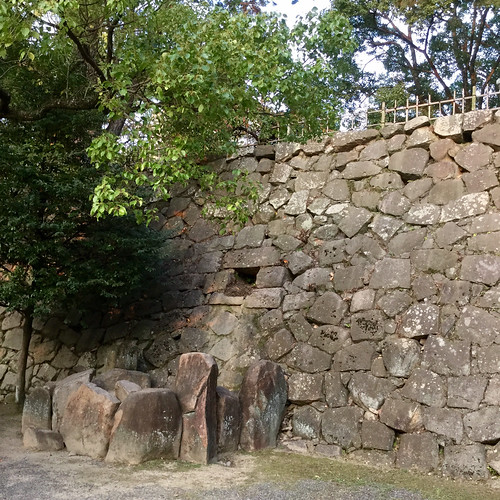
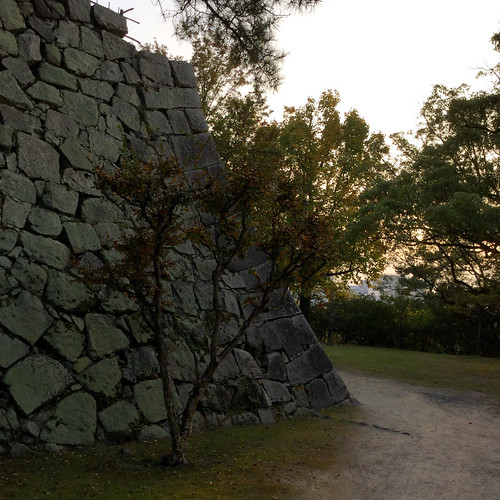
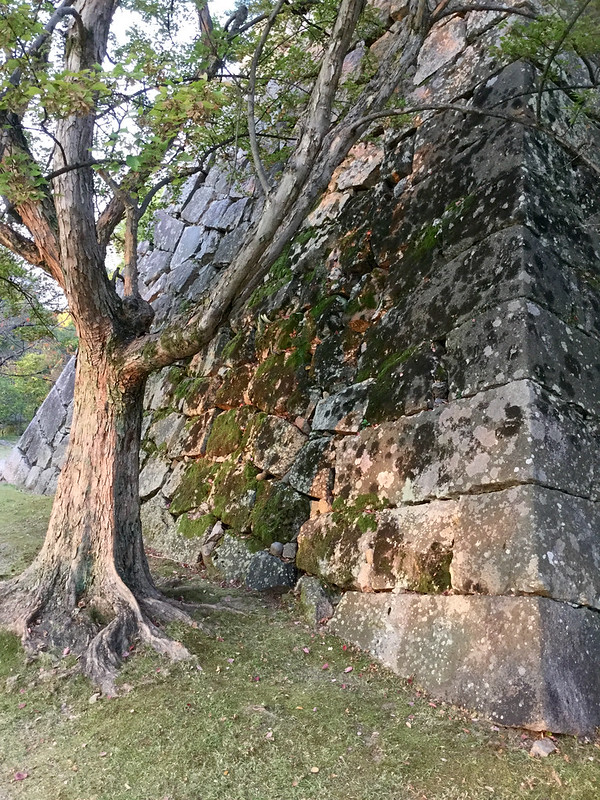
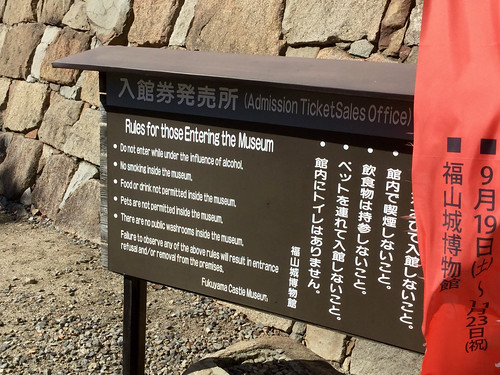
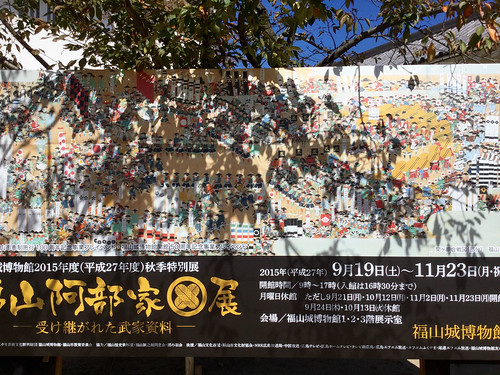
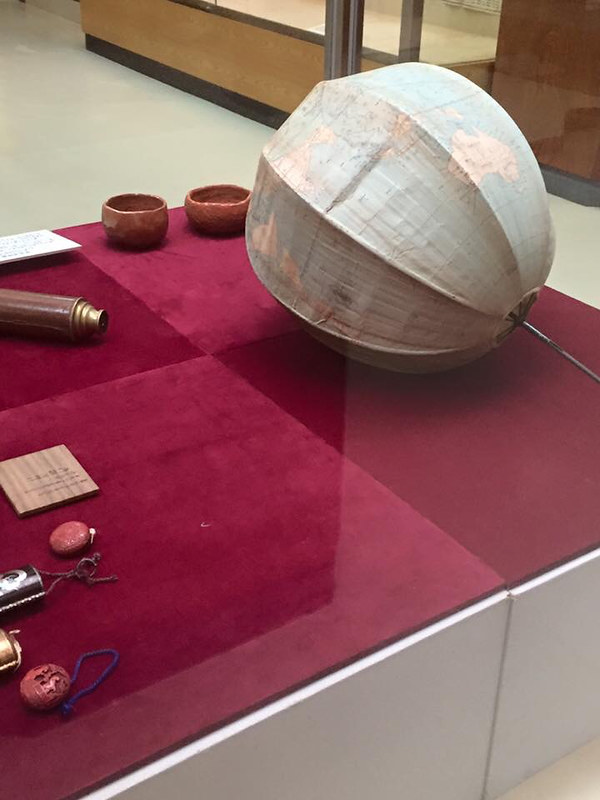
Am nächsten Tag mag ich mir die Burg von innen ansehen. Für ein geringes Entgelt, etwas was mir sehr gut gefällt, dass Kultur hier erschwinglich ist, darf ich rein. Viel habe ich nicht in Erfahrung bringen können, der Baubeginn war Anfang des 17. Jahrhunderts, die Burg hatte zwei Burggräben und einen Zulauf zum Seto Binnenmeer. Im 2. Weltkrieg wurde sie zerstört und die Feldsteine wurden später auch anderweitig verbaut. Der Bahnhof wurde dann auf dem Burggelände erbaut und der Hauptturm 1966 wieder errichtet. Das erklärt, warum das Schloss so nah am Bahnhof steht, wobei es eigentlich umgekehrt ist. Auf meine Frage, ob fotografieren erlaubt ist, wurde mir sehr energisch beschieden, dame desu - das ist ganz schlecht. Pah, dann eben nicht. Die Exponate ähneln denen im Tokyo Nationalmuseum (http://fraumb-far-far-away.blogspot.jp/2012/01/tokyo-national-museum.html), denen in der Burg Ōsaka, Nagoya ( http://fraumb-far-far-away.blogspot.jp/2014/01/burg-nagoya-uberarbeitet-nagoya-castle.html) und Shizuoka (http://fraumb-far-far-away.blogspot.jp/2015/01/shizuoka-besuch-in-einer-kleinstadt.html). Es ist ein Querschnitt durch die Geschichte der Baukunst bezogen auf das Schloss, es gibt Rüstungen aus der Edozeit, Interieur, Kalligraphie und ähnliches. Ein Foto musste ich doch machen. Ein Lampenschirm, bemalt als Globus hat es mir angetan, ich fand ihn so einzigartig für ein Land, das so isoliert war. Ich bin eine Weile um die Vitrine herumgeschlichen und habe gewartet, bis niemand da ist, der mich verpetzt und dann klick. Gut das meine Handykamera lautlos arbeitet.
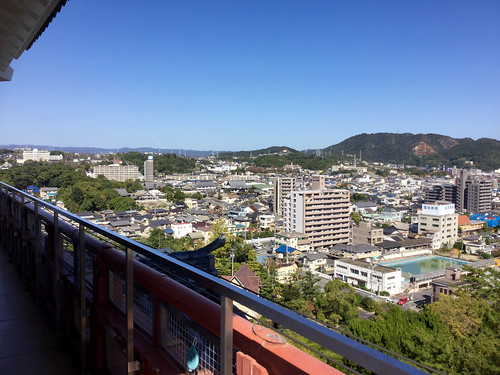
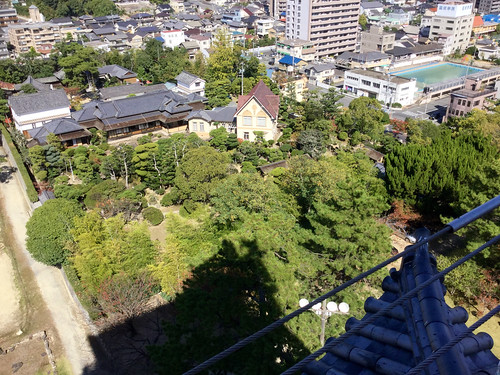
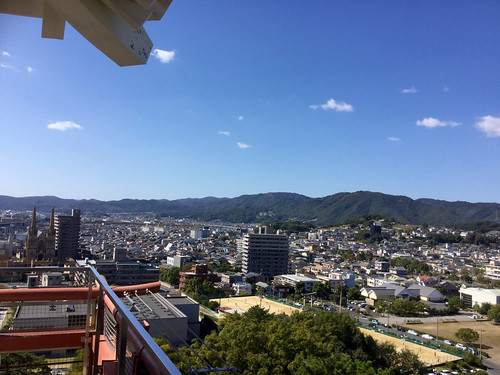
Oben unter dem Dach angekommen hat man den üblichen Rundblick über die Stadt, ist aber nicht so dolle. Aber hier dürfe ich nun auch fotografieren. Ach nee. Dann bin ich auch schon weg und geh mal ins Museum.
On my last journey in winter I recognised Fukuyama by looking out of the window of the Shinkansen. Near the station is a beautiful castle and a bit later you see a nice church in neogothic style. And I thought by myself, if have to go and see. That means, on to Fukuyama. My hotel is near the station, dropping my suitcase, taking my camera and let's go.
Short way hill up and I reach the plateau where the castle is standing and I get into a chrysanthemums show. Just a second, I will only check the flyer from the tourist information and yes, there it is: Fukuyama - The City of Roses. Anyway, the chrysanthemums are fantastic, in shape and colour, and of course in size, from bonsai to gigantic.
Around the castle is the mandatory Japanese garden and on foot of the castle hill a park with paths marked by boulders, many sculptures and enough space to play football and practice baseball.
The church in fact isn't one, the name is St. Valentin's whatever and it's a location for romantic weddings. Somewhat cute. And we won't tell them, that in Europe and later in America wedding took place in the church not for romantic reasons but because the clergy was responsible for all the registration issues. In the yard in front of the non church is a huge amphora, used in former time to storage olive oil. It's original from Spain and the former owner said, only a few of those size do still remain. The CEO says it's a good symbol for the wedding because of its colour and shape, it's old and round and that's why all the names of the wedding couples were written down on it. That doesn't make any sense at all and it's the same like in Europe putting dragon and fans on items and declare them original Chinese. Nice to see, people are the same where ever you go.
Next day I want to see the castle from the inside. For a small amount of money, something I really like here in Japan, culture is available for everyone, can I enter. I didn't found out much about it. It was built in the beginning of the 17. century, got a double moat and a connection to the Seto inland sea. It was nearly complete destroyed in WW II and the dry stones were uses for other buildings later. Than the station was built on the castle grounds and in 1966 the tower was reconstructed. That explains why the castle is so close to the station, in fact, it's the opposite. On my questions, if I'm allowed to take pictures, the lady was very vigorous, dame desu - very bad, no pictures. Pah, then not. The items are similar to those I saw in Tokyo National Museum( http://fraumb-far-far-away.blogspot.jp/2012/01/tokyo-national-museum.html) and in castles in Ōsaka, Nagoya (http://fraumb-far-far-away.blogspot.jp/2014/01/burg-nagoya-uberarbeitet-nagoya-castle.html) and Shizuoka (http://fraumb-far-far-away.blogspot.jp/2015/01/shizuoka-besuch-in-einer-kleinstadt.html). It's an exhibition about construction work at the castle, armour from Edo Period, decorations, calligraphy and stuff like that. At least, I had to take one picture. Only one. There was a lampion painted like a globe, that's something so unique in a country so isolated. I waited till no one was around to snitch and snap! Luckily my phone cam is working silently.
On top one gets the usual round view onto the city, but that's nothing special here. Oh, and here I'm allowed to take pictures. Really? Cool! I'm off here and go for the museum.







 Mit Blogsy veröffentlicht