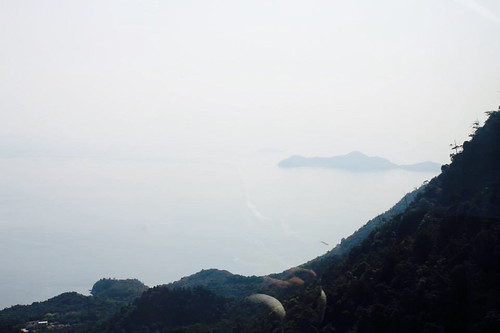
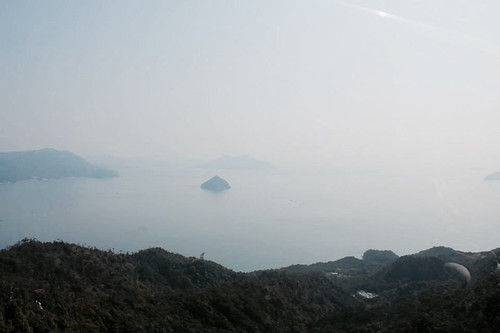
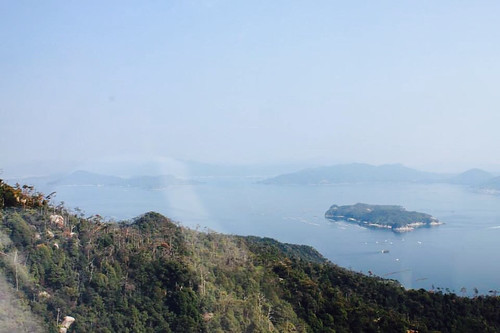
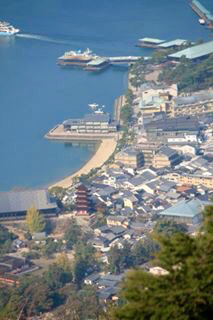
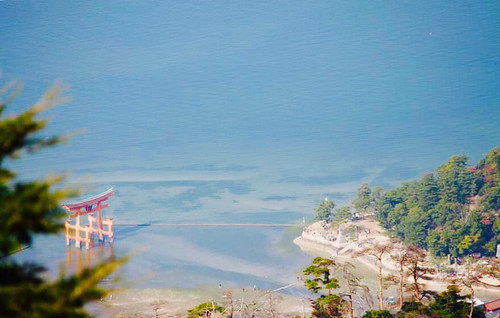
Man kann nicht in Hiroshima sein, ohne im Friedenspark gewesen zu sein, also ich kann es nicht. Am Pier in Miyajima habe ich ein Boot gefunden, das direkt in die Stadt zum Park fährt. Das finde ich prima. Letztes Mal bin ich mit der Straßenbahn gefahren, nun gehe, nein schwimme ich neue Wege. Der Kapitän meinte, es wäre ein Schnellboot, aber auf dem Fluß in der Stadt kann er nicht so schnell fahren, aber hier draußen auf dem Meer macht er das alles wieder wett. Gesagt, getan, wir rasen an der Küstenlinie entlang und plötzlich bremsen wir. Der Kapitän erklärt etwas und hinten geht die Luke auf. Einige Leute stehen auf und gehen an Deck. Aussteigen mitten auf dem Wasser? Nö, aber da wir nun mit Lowspeed fahren können wir an Deck stehen und Fotos machen. Einmal müssen wir uns alle hinhocken, weil eine Brücke sehr niedrig ist.
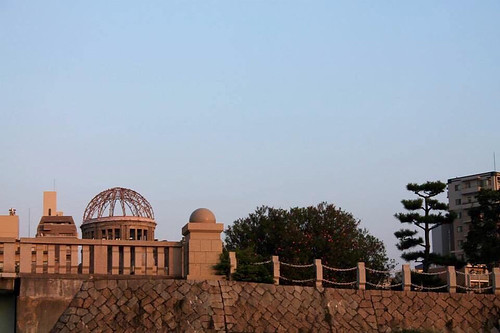
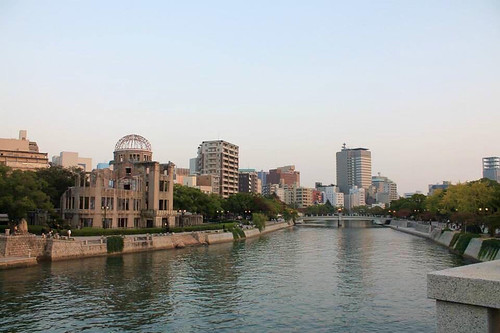
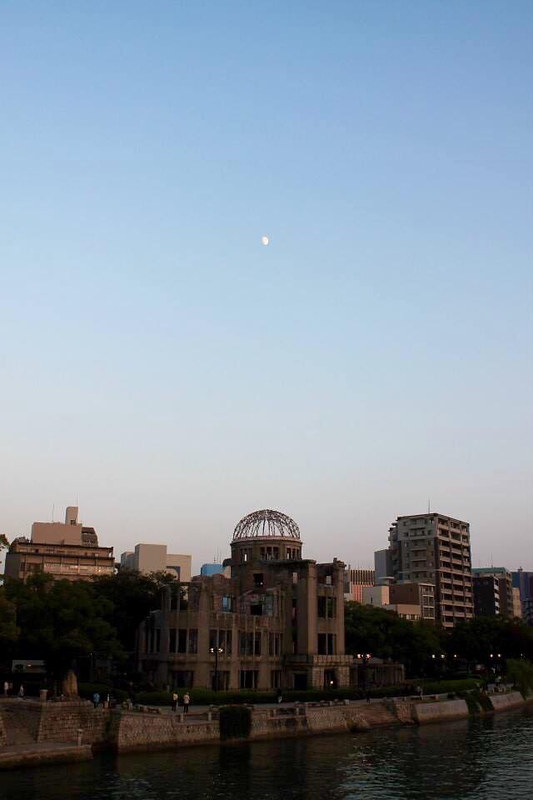
Und schon sind wir in der Innenstadt und der Atomic Bomb Dome kommt in Sicht, dann müssen wir nochmal unter Deck, kurze Zeit später legen wir an.
Ich verweile einen Moment auf der Aioi-Brücke, die 1932 gebaut eine T-Form aufweist, der längere Teil überspannt den Fluss Ōta, in der Mitte zweigt eine Brücke zur Halbinsel Nakajima-Chō. Da die Brücke aus der Luft leicht zu erkennen ist, war die das Ziel des Angriffs. Der Wind drückte die Bombe etwas nach Osten und sie verfehlte das Ziel um rund 240 Meter und traf stattdessen ein Krankenhaus. Die Altstadt von Hiroshima auf der Insel wurde vollständig zerstört (https://www.blogger.com/blogger.g?blogID=7948548269930566561#editor/target=post;postID=2506679883440416035;onPublishedMenu=posts;onClosedMenu=posts;postNum=168;src=postname). Die Brücke wurde 1983 wieder gebaut.
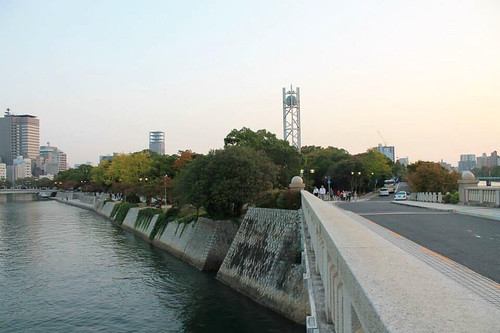
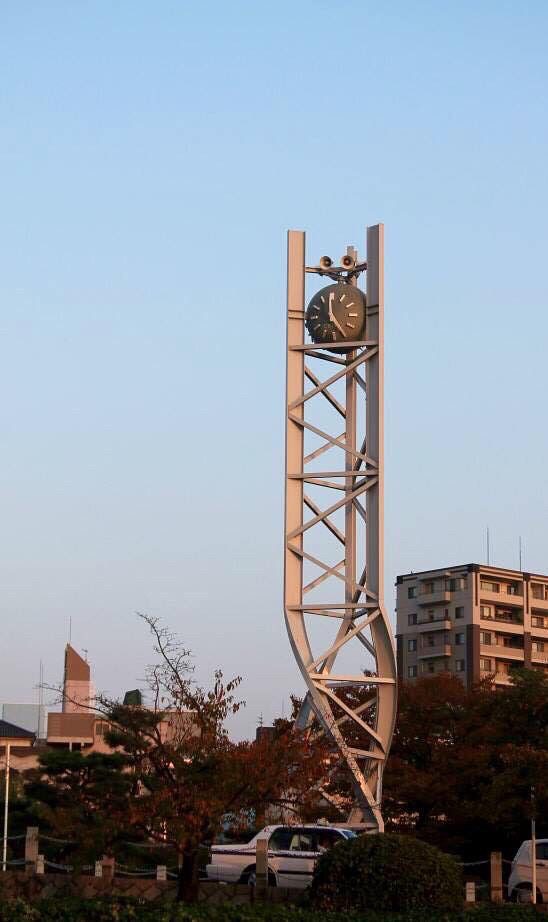
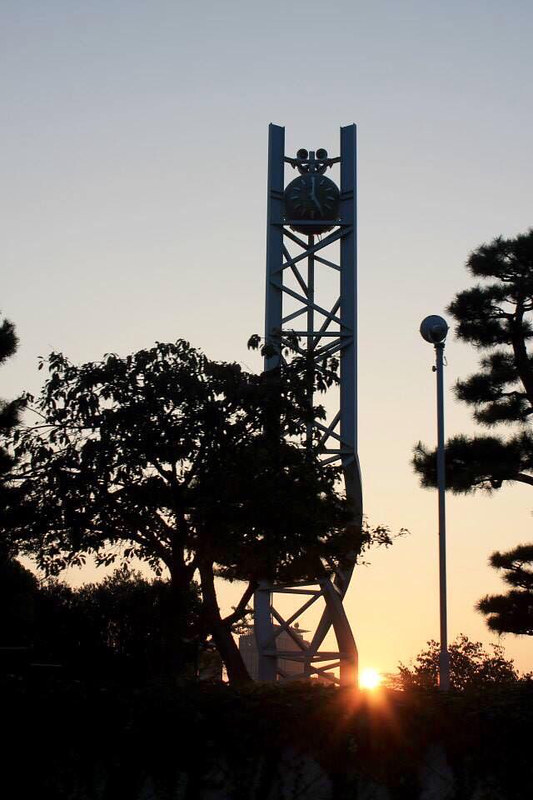
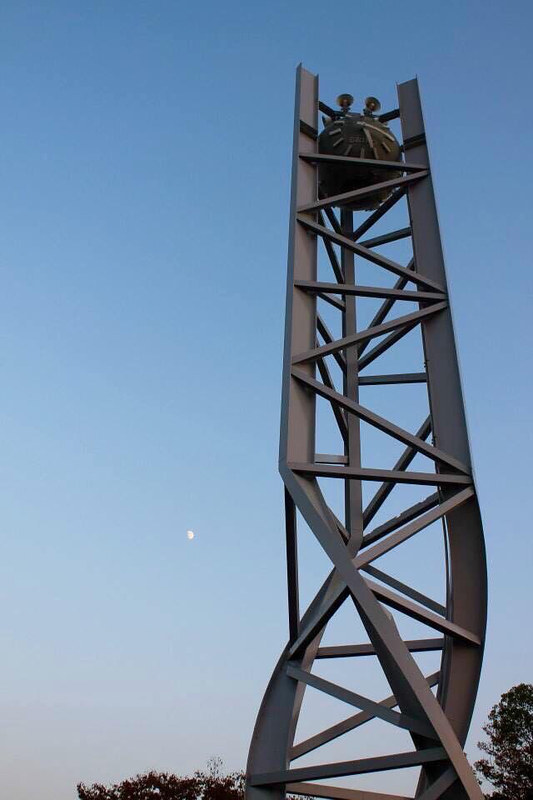
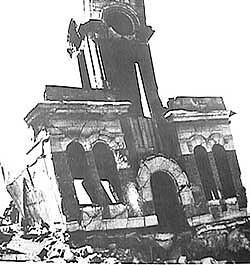
Neben der Ruine der Industrie-und Handelskammer gibt auf auf der Insel einen Uhrenturm. Er besteht aus Stahl und ist seltsam verdreht in seiner Konstruktion. Eine Erinnerung an einen anderen Uhrturm über dem Geschäft eines Uhrmachers, dass in mehr als 500 Meter Entfernung vom Hypercenter durch die Druckwelle schwer zerstört wurde, aber noch aufrecht stand. Der Uhrenturm wurde 1967 errichtet und schlägt jeden Morgen um 8.15 Uhr, dem Moment des Bombenabwurfs.
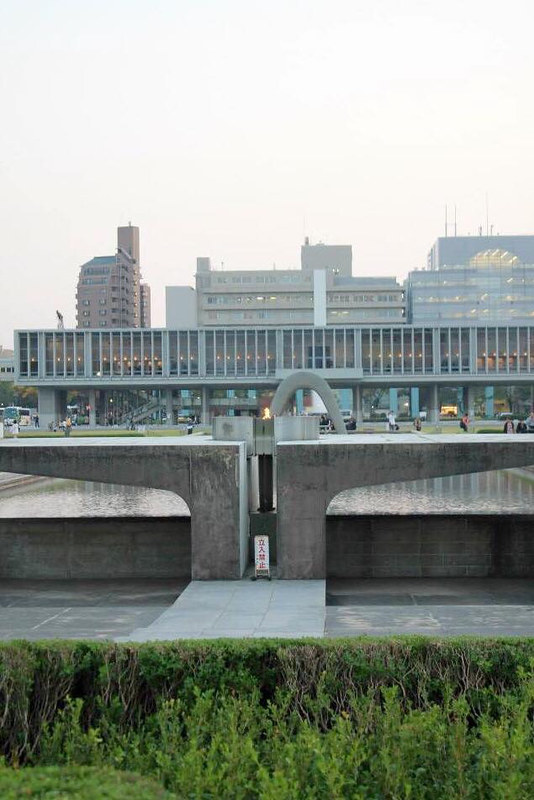
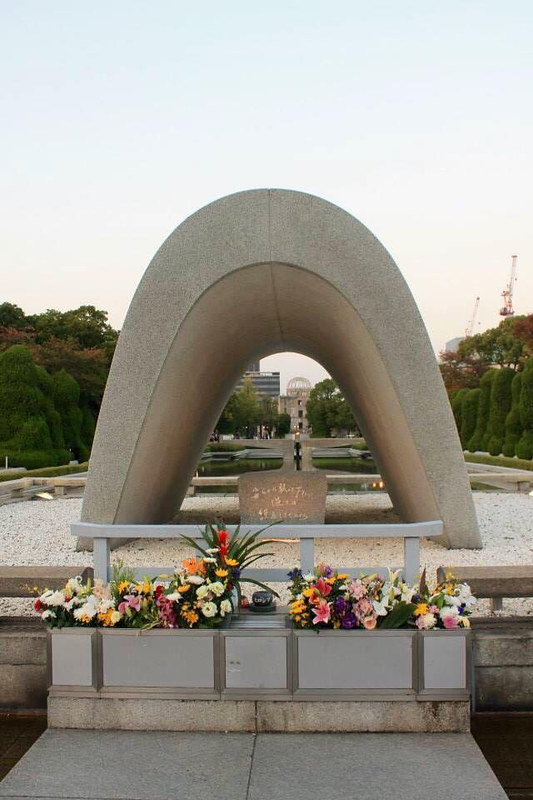
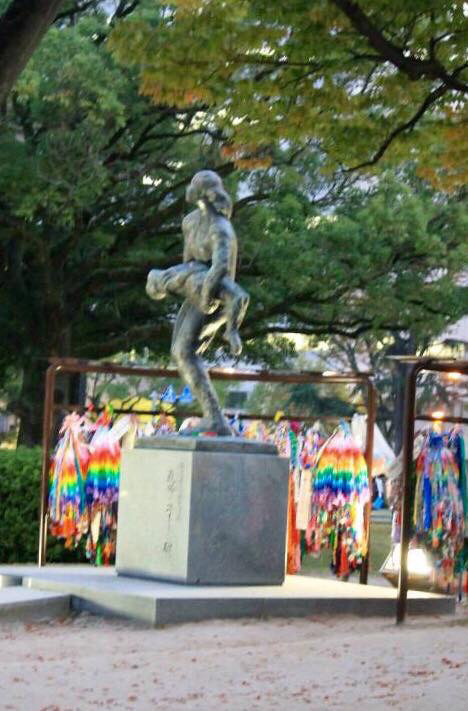
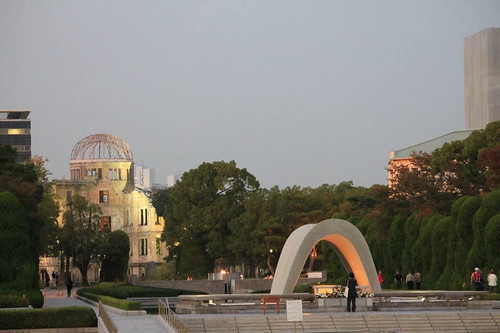
Parallel zu den beiden Flussarmen, mitten durch die Insel führt eine Allee hin zur ewigen Flamme und zum Cenotaph, dem Zentrum der Gedenkstätte, und abschließend zum Denkmal für die Mütter, die in Krieg, Not, Hunger und Feuersturm ihre Kinder zu beschützen suchten.
Ein großer gelber Mond geht auf über der Stadt und ich kehre in die Jetztzeit zurück und in mein Hotel. Da sitze ich, im 23. Stock und genieße einen Cocktail, den Ausblick auf die Lichter der Stadt und die Tatsache, dass ich in Frieden lebe.
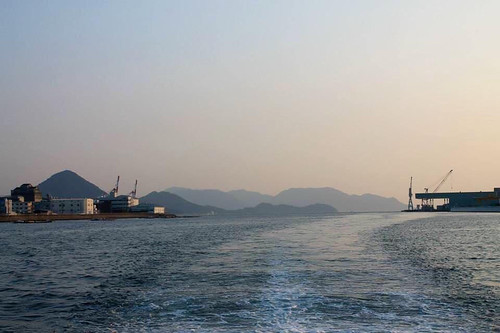
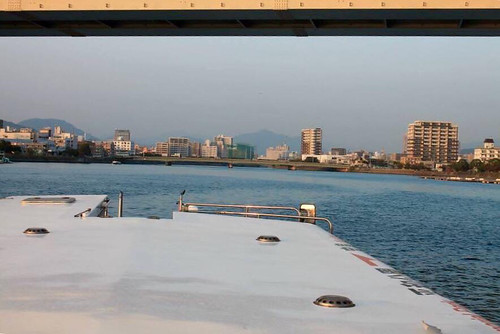
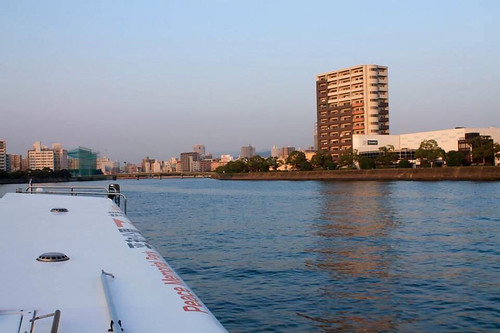
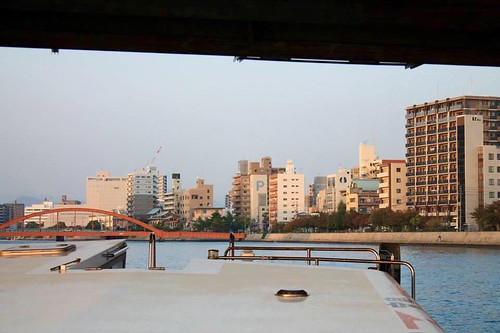

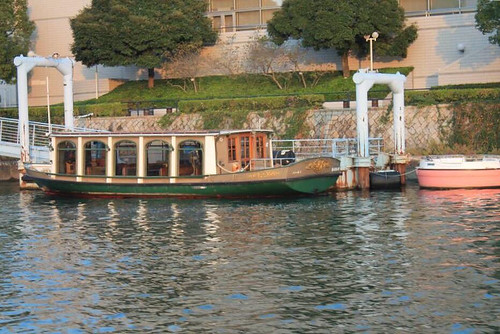
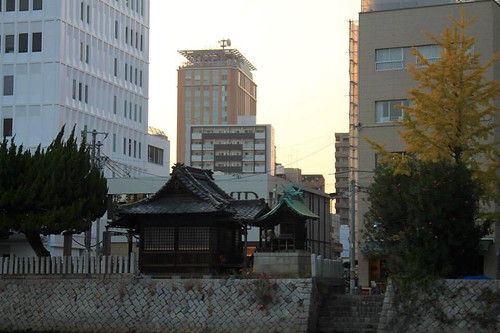
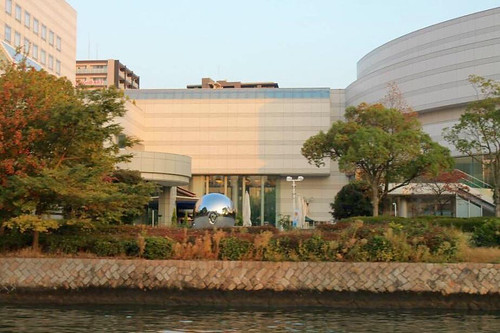
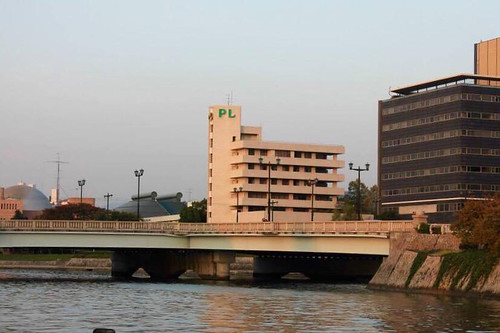



One can't be in Hiroshima without seeing the Peace Park, at least I can't. At the pier of Miyajima I found a boat going directly into the city. That's great. Last time I took the streetcar and now I'm going, no, swim, new ways. The captain said its a speed boat, but he can't make speed on the river in the city, but he will redeem it while on the sea. He said it, he did it. We speeding up along the coast line and suddenly come to stop. The captain explains stuff and behind us the hatch opens and people going out. Getting off at water? Nope, but now we continue with low speed and we can stand on deck and take pictures. One time we had to squat because of a very low bridge.
And soon we arrived the city, and the Atomic Bomb Dome comes into sight, we have to return under deck, short time after we are landing.
I spent a moment on Aioi Bridge, the very target of the bomb. The T-shaped bridge, build in 1932, spanning over the river Ōta and got in the middle a smaller bridge to the peninsula Nakajima-Chō, was easy to spot from a plane. But because of the wind the bomb missed the target for about 240 meters and hit instead a hospital. The city of Hiroshima was totally destroyed in the blast (https://www.blogger.com/blogger.g?blogID=7948548269930566561#editor/target=post;postID=2506679883440416035;onPublishedMenu=posts;onClosedMenu=posts;postNum=168;src=postname). The bridge was built again in 1983.
Beside the ruins of the former industrial exhibition hall is an clock tower on the island. It's made of steel and got a strange twisted shape. It's a reminder of another clock tower over the clock shop, which was heavily damaged from the blast more than 500 meters from the Hypocentre, but the remains still stood upright. The clock tower was erected in 1967 and every morning at 8.15 the clock rings, the time the bomb was dropped.
Parallel to the arms of the river, in the middle of the peninsula leads an alleyway toward the eternal flame and the cenotaph, the centre of the memorial park, and in the end to the memorial for the mothers, who try to save their children through war, need, hunger and fire blast...
Now a huge yellow moon is rising over the city and I come back into the present time and go back to my hotel. I sit at the 23rd floor, enjoying a cocktail, the city lights and the peaceful time, I'm living in.
Erklärung: Das Foto des zerstörten Uhrmacherladens gehört mir nicht. Ich habe es im Netz gefunden. Alle Rechte liegen beim Eigentümer.
Disclaimer: I don't own the picture of the destroyed clock shop. I found it at the net. All right belong to the owner.
 Mit Blogsy veröffentlicht