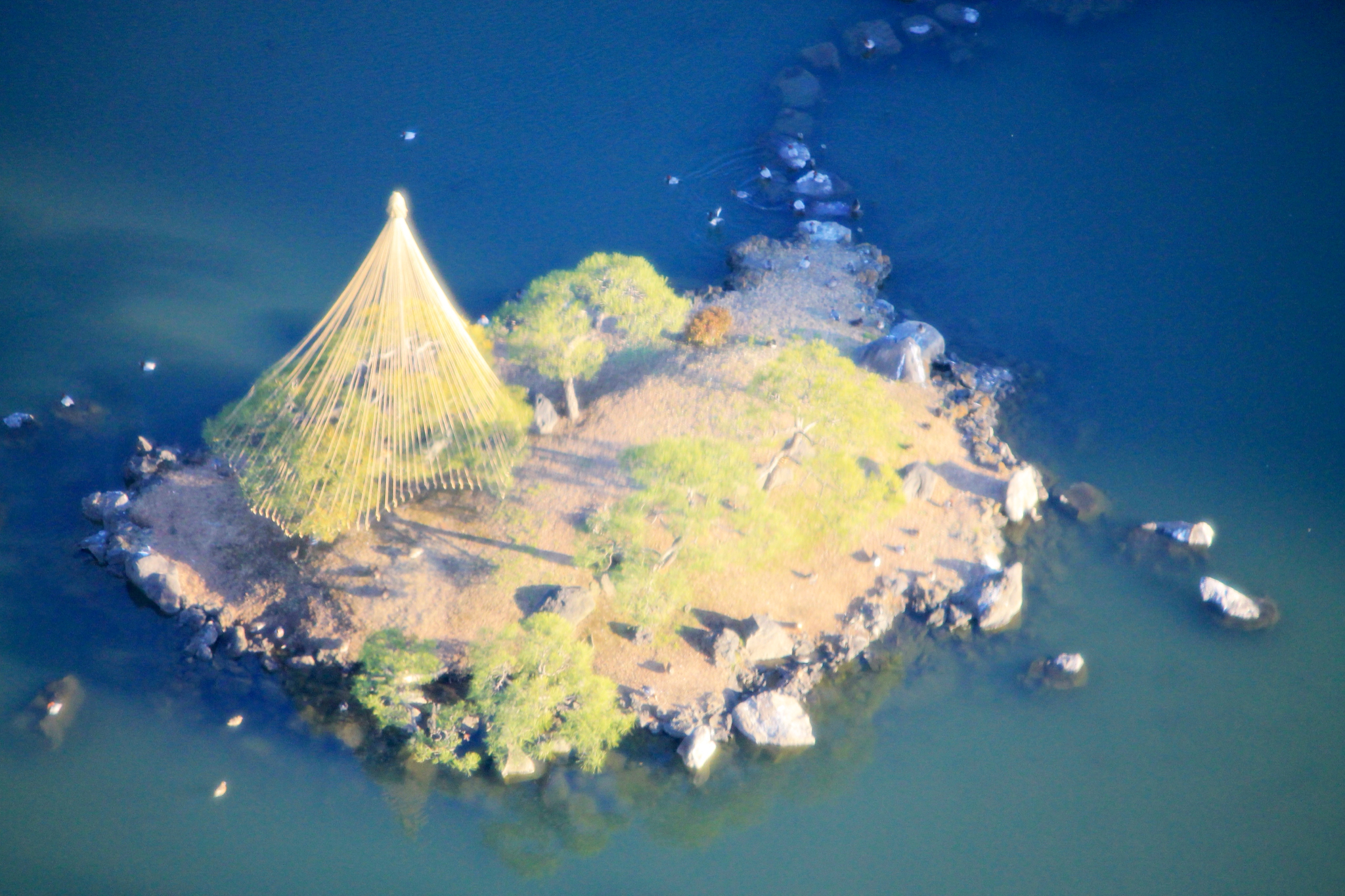
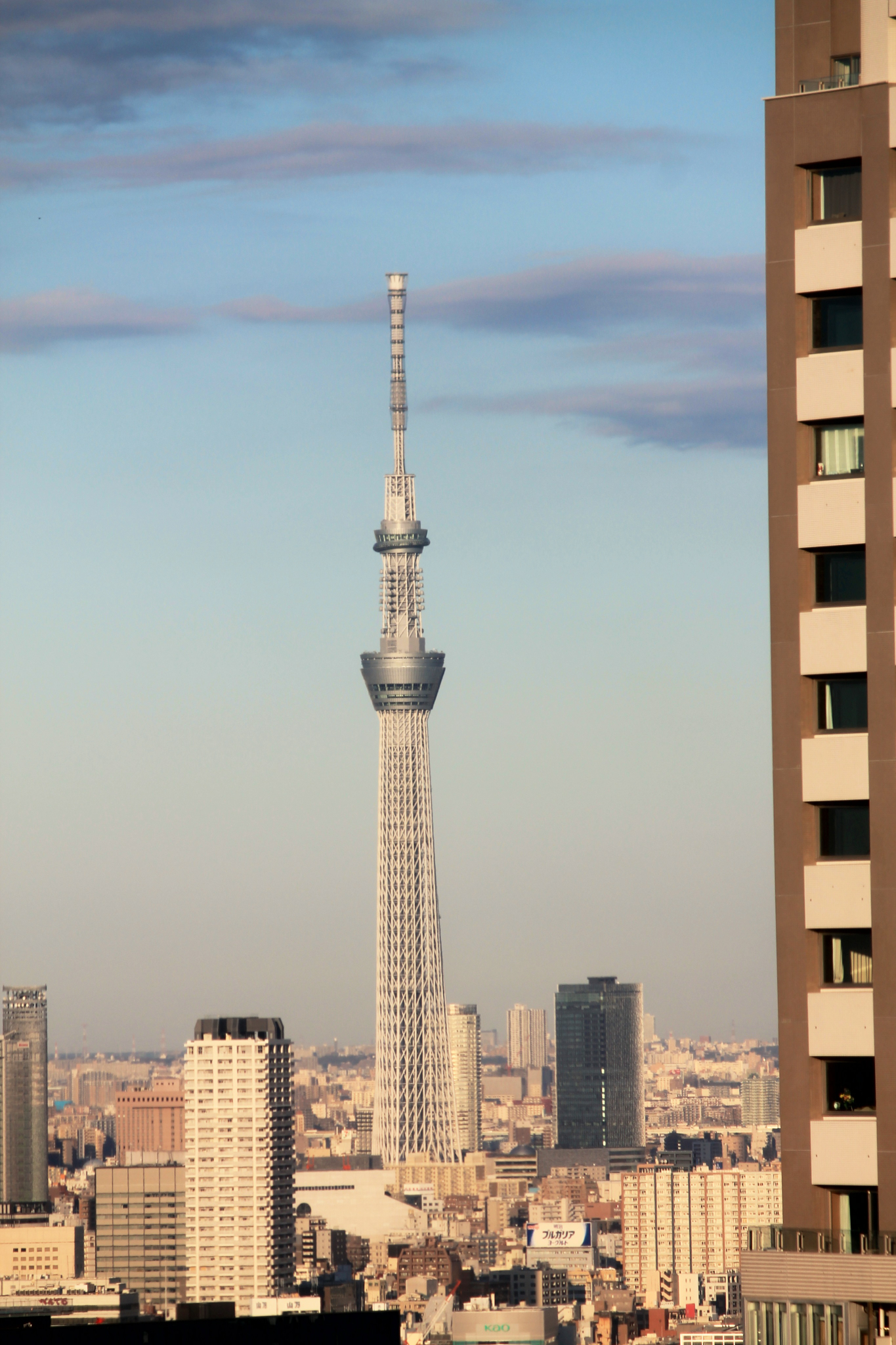
Zwischen dem Riesenbahnhof Shinjuku und Sunshine City Ikebukuro liegt der Toyama Park und die Campus der Waseda und Gakushuin Universitäten, und plötzlich wird die Großstadt zum Vorort.
Ruhig, gemütlich, beschaulich. Das Gebiet des Parks war früher Zweitwohnsitz der Owari Tokugawa Familie ( http://de.wikipedia.org/wiki/Owari_(Han)). Hier gab es in der Edozeit Teehäuser und Herbergen, und noch heute einen Miniberg, 44 Meter hoch, die höchste natürliche Erhebung in der Innenstadt. Der Park besteht zur Hälfte aus Sportanlagen (Golf, Tennis) und zur Hälfte aus Kinderspielplätzen, die vor allem von Kindergärten rege genutzt werden, der Rest dient zum Spazieren gehen mit und ohne Hund und zum Blumen ansehen.
Gleich neben dem Park befindet sich der Ana Hachiman Schrein, an dem in alter Zeit Generationen des Tokugawa Shogunats beteten und noch heute findet hier, genauer gesagt im Park in der Nähe der Yabusame Wettbewerb statt (http://de.wikipedia.org/wiki/Yabusame).
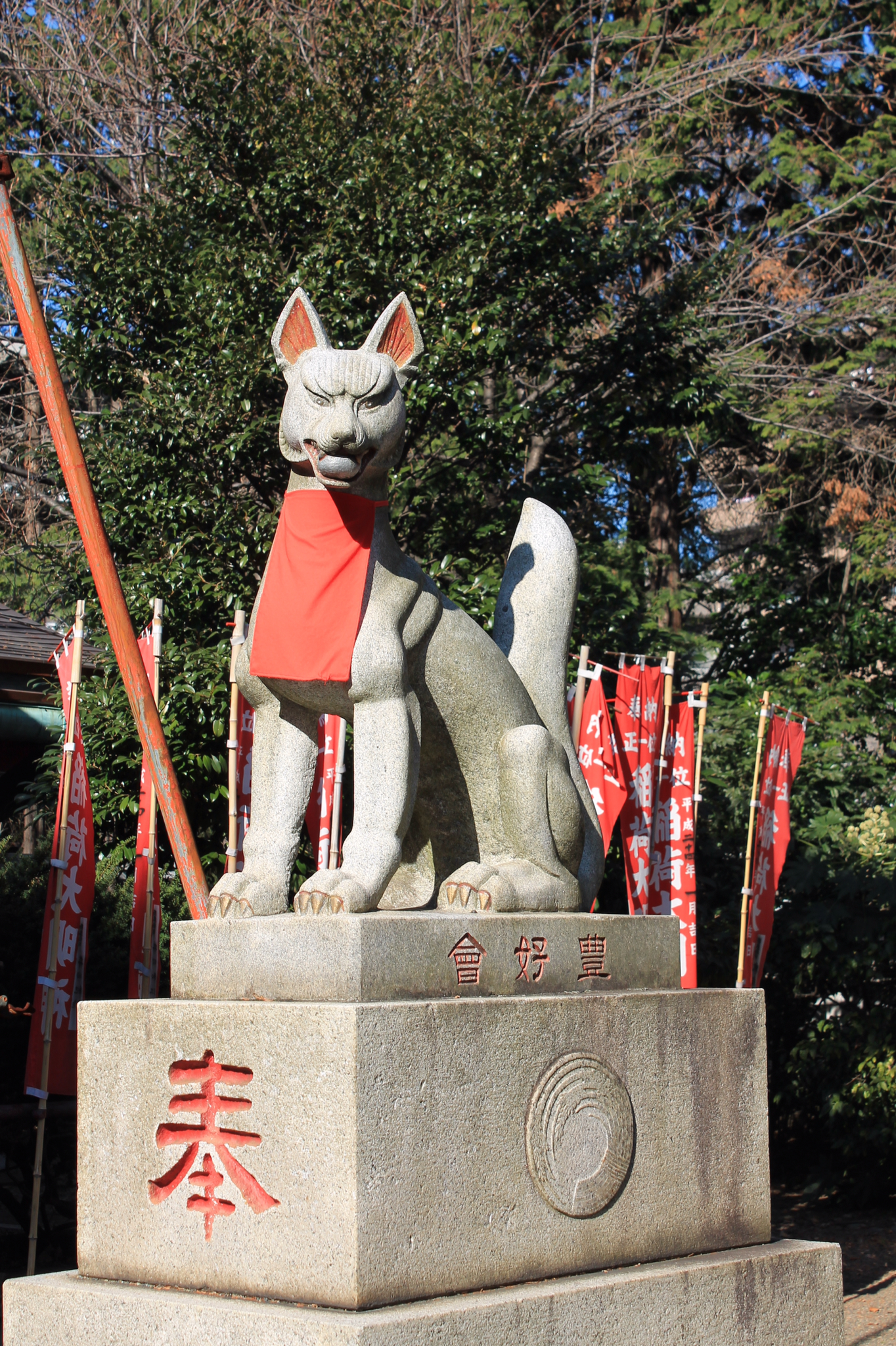
Weiter geht es, entlang an der Waseda Universität, zum Kansenen Garten, ein im Edo-Stil angelegter Garten, mit einem Schrein zu Ehren einer Quelle, aus der Trinkwasser gewonnen wurde. Der Schrein war bereits festlich geschmückt für das Neujahrsfest und wird bewacht von zwei sehr, sehr streng blickenden Fuchsstatuen.
Als ich den Garten verlasse, treffe ich auf ein anderes historisches Relikt, die letzte Straßenbahnstrecke Tokyos. Im Zuge der Stadterneuerung in Vorbereitung auf die olympischen Sommerspiele 1964 wurde das Straßenbahnnetz aufgegeben, nur die Asukayama Linie blieb erhalten, ca 6 Stationen lang, und mit 160¥ ist man dabei.
Auf meinem Weg zum Bahnhof stattete ich noch dem Briefmarkenmuseum einen Besuch ab, und entdeckte dabei einige Exponate, die ich als Kind selbst in meinen Alben hatte, wie schön.
Ein toller Spaziergang, vielen Dank an Axel Schwab ( Labyrinth Tokio - 38 Touren in und um Japans Hauptstadt ) für die Anregung und die exakten Wegbeschreibungen
Between the giant station Shinjuku and the Sunshine City Ikebukuko is the Toyama Park and the campus of Waseda and
Gakushuin Universty located and suddenly the big city becomes a suburban area.
Quiet, neat, cosy. The area of the park was a secondary residence of the Owari Tokugawa Family (http://en.wikipedia.org/wiki/Owari_branch). In the Edo period were there a lot of tea and guest houses and today is still a mini-mountain here, 44 metres high, the highest natural elevation of the inner city of Tokyo. The park is half part sportsground like golf and tennis and half part playground, highly frequented by kindergardens, in the other areas one can go for a walk with or without a dog and watch the flowers.
Nearby is the Ana Hachiman Shrine, a lot of Tokugawa generations were praying here and still in this days the Yabusame Contest (http://en.wikipedia.org/wiki/Yabusame) is taking place here, strictly speaking in the park.
Now off for the Kansenen Garden, passing the Waseda University, is the an Edo style garden with a shrine within, to honor a well, wich was used to get drinking water. The shrine is decorated for the upcoming festivities of the New Year and is guarded by very very stern looking foxes.
When I leave the garden I found another relict from the old times, the last remaining tramway of Tokyo. The tram of Tokyo was given up as part of the renewal of the city for the Olympic Summer Games in 1964. Only the Asukayama line left over and for 160¥ one can go on for about six stops.
On my way to the train station I visited the philatelic museum, and found some exponats I used to own when I was a kid, how nice is that.
What a beautiful walk, thanks to Axel Schwab ( Labyrinth Tokyo) for the suggestion and the very accurat directions.